Cute Kawaii Cactus Clipart Collection
If you’ve spent any time browsing design marketplaces or building visuals for social campaigns, you’ve likely noticed a surge in playful, character-driven illustrations. Among them, a particular style stands out for its universal charm and surprising versatility: the Cute Kawaii Cactus Clipart Collection. This isn't just another set of plant graphics—it’s a curated bundle of personality-packed succulents that bring warmth, approachability, and a sprinkle of Japanese-inspired cuteness to any project. Whether you're a seasoned designer or a small business owner handling your own brand visuals, understanding what makes this collection tick—and where it truly shines—can save you hours of searching and elevate your creative output.
What Makes This Clipart Collection Different?
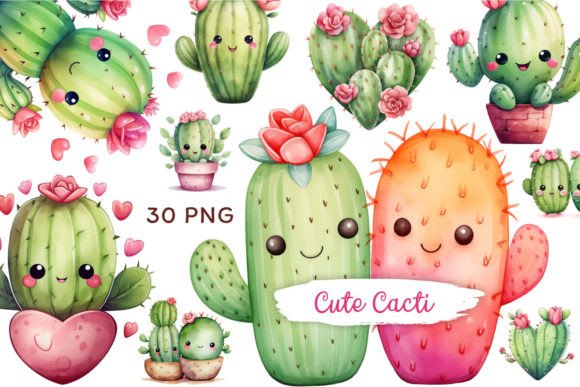
At first glance, you see cacti with big, sparkling eyes, rosy cheeks, and tiny expressive faces. But look closer, and you’ll notice careful design decisions that set this collection apart from generic plant clipart. The linework is clean but not rigidly perfect, giving each character a hand-drawn warmth that feels intentional. The color palettes lean toward pastel pinks, soft greens, mint blues, and lavender tones—colors that feel modern without being trend-chasing. Each cactus comes in multiple poses and expressions, from sleepy and joyful to mischievous and shy. This range matters because it allows you to match the emotional tone of your project without forcing a one-note graphic to do all the heavy lifting.
The personality here is unmistakably kawaii—a Japanese aesthetic centered on childlike innocence, softness, and positivity. But unlike some kawaii assets that skew too juvenile for adult audiences, these cacti strike a balance. They feel playful but not childish, friendly but not saccharine. That balance is what makes the collection work across such a wide spectrum of applications.
Where Cute Kawaii Cactus Graphics Deliver Real Results
One of the smartest moves you can make as a creator is to invest in design assets that pull double—or triple—duty. This clipart collection is a prime example of an asset that performs equally well across digital, print, branding, and personal projects. Here’s where I’ve seen it generate the strongest results.
Social Media Graphics That Stop the Scroll
In a crowded feed, novelty is currency. A post featuring a kawaii cactus character often sees higher engagement simply because it looks different from the usual stock photo or flat icon. I’ve watched Instagram stories and Pinterest pins using these graphics achieve noticeably longer dwell times. The cacti work beautifully as accent characters beside quotes, as makeshift bullet points in list-style carousels, or as mascots for weekly themed posts. Their expressive faces add emotional cues that text alone can’t convey—turning a generic “Happy Monday” post into something people actually want to react to.
Brand Identity and Logo Design
For businesses with a friendly, youthful, or wellness-oriented brand voice—think plant shops, eco-friendly skincare lines, children’s book publishers, or stationery brands—these cacti can anchor a brand identity that feels both distinctive and relatable. I’ve seen small business owners use a single cactus character as their logo design element, pairing it with a clean sans serif font for a look that’s professional but far from stiff. The key is to use the clipart as a starting point, then customize colors or add text treatments that align with your brand’s palette. The result is a premium font-approachable visual identity without hiring an illustrator for months.
Editorial Design and Packaging
In editorial design, these cacti fill a specific niche: they add whimsy to layouts that might otherwise feel too dry. A wellness magazine spread about mindful living, a planner page about goal setting, or a recipe card for smoothie bowls—each becomes instantly more inviting with a tiny cactus character tucked into a corner. On packaging, the effect is even more direct. A lip balm box or a tea tin featuring a kawaii cactus immediately communicates “gentle, natural, and fun” without a single word. For packaging design, that visual shorthand is priceless.
Web Design and Digital Products
For web design, particularly in hero sections, error pages, or onboarding flows, these cacti serve as friendly wayfinders. A 404 page with a sad cactus holding a “lost” sign turns frustration into a smile. A landing page for a productivity app can use a focused cactus character to reinforce the value of concentration—without a single lecture. Digital product creators also find these assets incredibly useful for course slides, workbook covers, and email headers. Because the file formats typically include transparent PNGs and vector SVG files, they integrate seamlessly into any design workflow.
How Visual Assets Influence Brand Perception and Engagement
Beyond the obvious cuteness, there’s a strategic layer to using character-driven illustrations like this. Modern typography and layout trends have moved away from corporate minimalism toward designs that feel more human. Audiences today crave connection, even in commercial spaces. When you place a kawaii cactus on a poster or in a social post, you’re not just decorating—you’re sending a signal: We’re approachable. We don’t take ourselves too seriously. We care about the little things.
This kind of visual warmth can influence brand perception by making your business seem more trustworthy and accessible. In a landscape where consumers are bombarded with polished but cold marketing, a soft, expressive illustration can be the difference between being scrolled past and being remembered. Audience engagement follows naturally because the visuals invite interaction—likes, shares, comments, saves. I’ve seen event flyers using these cacti generate higher RSVP rates simply because the design felt inviting enough to stop and read.
There’s also a practical consistency benefit. Using a cohesive set of design assets across multiple touchpoints—website, social, print, packaging—creates a recognizable visual thread. When your audience sees that same cactus smile in three different places, their brain registers you as established and intentional, even if you're a one-person operation.
Practical Guidance for Choosing and Using the Collection
Before you purchase or download a Cute Kawaii Cactus Clipart Collection, take a few minutes to evaluate it against your actual project needs. Here’s a practical checklist I’ve developed through trial and error.
Assessing Project Fit and Included Styles
Not all kawaii cactus sets are created equal. Look at the range of expressions and poses. Does it include standing, sitting, and interacting cacti? Are there variations with accessories—bows, glasses, tiny pots? The more variety, the more scenarios you can cover. Also check the file formats. For most commercial work, you’ll want both transparent PNGs (for quick drag-and-drop use) and SVG or EPS vectors (for resizing without quality loss). Read the commercial licensing carefully. Many collections allow use in products for sale, but restrictions on reselling the raw assets or using them in logo marks vary. If you’re a small business owner or entrepreneur, confirm that the license covers merchandise, digital products, and promotional materials before you commit.
Readability and Visual Hierarchy Considerations
This is a point I rarely see discussed in clipart reviews, but it matters a lot: how does the art interact with text? Because these cacti are character-driven, they naturally draw the eye. Place them too close to a headline, and they might compete for attention. I recommend giving each cactus its own breathing room—at least a margin equal to its own height around it. Use them as visual anchors at the top or bottom of layouts, or as separators between sections. Their size should be intentional: a large cactus can serve as a hero image, while smaller versions work as inline icons. When you treat them as deliberate compositional elements rather than decorative afterthoughts, your visual hierarchy stays clean and your message stays clear.
Pairing with Typefaces
Font pairing with kawaii illustrations requires a thoughtful approach. A heavy, ornate script font can clash with the simple charm of the artwork. Instead, try a clean sans serif font like Poppins, Nunito, or Montserrat for a balanced, modern look. If you want a slightly more playful feel, a rounded sans serif works beautifully. For the occasions when you need something handwritten, a handwritten font that’s legible and not overly embellished can complement the cacti without overwhelming them. Avoid serif font choices that are too formal or decorative—they risk creating a mismatch between your friendly visuals and your serious type. The goal is harmony, not contrast for contrast’s sake.
Testing Before Committing
Most reputable marketplaces offer preview downloads or low-resolution watermarked samples. Use them. Place a cactus into your actual layout, add your text, and see how it feels at multiple sizes. Print it if you’re working on physical products. Sometimes an asset that looks perfect on screen feels just a bit too big or too small in real life. Testing also helps you confirm that the cactus’s personality aligns with your brand’s voice. A super playful, tongue-out cactus might feel right for a children’s party invitation but off for a mindfulness journal.
Final Thoughts from a Design Practitioners Perspective
The Cute Kawaii Cactus Clipart Collection is more than a passing trend. It’s a thoughtful design resource that solves real problems for creators who need to communicate warmth, trust, and personality quickly. It saves you the cost and time of commissioning custom illustrations while still delivering a distinctive look. Whether you’re designing social media templates, building a brand identity for your side hustle, or adding charm to your personal bullet journal, this collection offers flexibility without requiring you to be a professional illustrator.
The best design assets are the ones that make your work look better and your process easier. This collection does both. If you’ve been looking for a way to soften your visuals, engage your audience more genuinely, or simply inject a little joy into your projects, it’s worth giving these tiny cactus characters a real try. Open a blank canvas, drop one in, and see what happens. More often than not, you’ll find yourself building entire layouts around that one friendly face.