Sleeping Animal in Flower Clipart for Creatives
If you’ve ever scrolled through design asset libraries looking for something that feels both whimsical and polished, Sleeping Animal in Flower Clipart might catch your eye. This isn’t just another decorative element—it’s a versatile illustration style that blends the softness of sleepy creatures with the organic charm of floral motifs. Think of it as ready-made visual poetry for your projects. Whether you’re designing for a boutique brand, a children’s book, or a social media campaign, this clipart offers a shortcut to warmth and narrative depth without starting from scratch. In this article, we’ll explore what makes it tick, where it shines, and how you can use it to elevate your work.
Visual Personality and Design Appeal
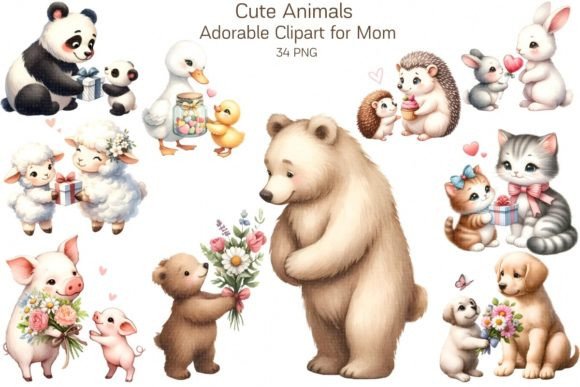
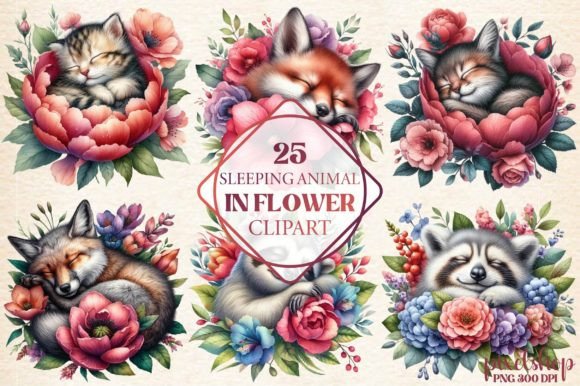
Sleeping Animal in Flower Clipart typically features calm, restful animals—think curled-up foxes, dozing bunnies, or napping bears—nestled within or surrounded by blossoms, leaves, and vines. The style often leans toward soft, rounded shapes with gentle color palettes: pastel pinks, muted greens, creamy whites, and earthy browns. There’s a deliberate simplicity here, but it’s not minimal to the point of coldness. Instead, the artwork carries a handcrafted feel, as if each piece were drawn with a steady, caring hand. The personality is soothing, approachable, and slightly nostalgic. It reminds viewers of storybook illustrations or vintage botanical prints, but with a modern clarity that works on screens and in print.
What sets this clipart apart from generic flora-and-fauna designs is the emotional hook. Sleep implies safety, trust, and stillness. Combined with flowers—symbols of growth, beauty, and nature—it creates a visual metaphor for peace and harmony. That resonance is powerful for brands and creators who want to evoke calm, comfort, or gentle joy. The clipart doesn’t demand attention; it invites it. And in a noisy visual world, that invitation is rare.
Where Sleeping Animal in Flower Clipart Works Best
Because of its gentle personality, Sleeping Animal in Flower Clipart fits naturally into projects where warmth and sincerity matter. Here are some practical applications:
- Brand identity for baby or wellness brands. A sleeping animal surrounded by flowers immediately communicates safety and nurturing. Use it as a logo mark, accent pattern, or packaging detail for organic skincare, baby products, or natural remedies.
- Children’s book illustrations and editorial design. The clipart can serve as chapter headers, spot illustrations, or full-page imagery. Its simplicity leaves room for text while adding visual interest. Publishers often use such elements to create consistent themes across a series.
- Social media graphics and web design. For Instagram posts, Pinterest pins, or blog headers, the clipart adds a soft, shareable aesthetic. Marketers targeting parents, gardeners, or mindfulness enthusiasts find it especially effective. It’s also great for e-cards or digital invitations.
- Packaging design for artisanal products. Think tea labels, candle jars, or gift boxes. The clipart’s handmade look aligns with small-batch, craft-focused branding. It suggests quality and care without feeling corporate.
- Personal projects and hobby crafting. Scrapbooking, bullet journaling, or DIY home decor all benefit from the clipart’s scalability. You can resize it without losing charm, and its clean lines work well with other design assets like handwritten fonts or modern typography.
The key is to match the clipart’s tone to your audience’s expectations. If you’re creating for a high-energy tech brand or a gritty urban campaign, this style might feel out of place. But for industries rooted in care, creativity, or nature, it’s a natural fit.
Influence on Readability, Hierarchy, and Brand Perception
Even though Sleeping Animal in Flower Clipart is an illustration, it can affect how viewers engage with typography and layout. Used as a background or framing device, it can anchor a headline or push supporting text into a clear hierarchy. For example, placing a sleeping fox in a flower bed behind a serif font headline creates depth while keeping the text legible. The contrast between the organic clipart and structured sans serif fonts or serif fonts adds visual tension without chaos.
Brand perception softens immediately. A logo incorporating this clipart feels friendly, trustworthy, and small-batch. Entrepreneurs launching a subscription box for new parents or a line of organic teas can use it to signal authenticity. Larger companies seeking a more human touch might use it in limited editions or seasonal campaigns. The clipart doesn’t scream “corporate”—it whispers “care.” That subtlety builds recognition over time, especially when paired with consistent brand identity elements.
From a visual hierarchy standpoint, the clipart works best as a secondary or tertiary element—a supporting actor rather than the star. But when it is the hero, keep surrounding design minimal. A crowded layout with multiple competing display fonts or loud colors will drown its quiet charm. Give it breathing room, and it will reward you with focus.
Practical Guidance for Choosing and Pairing
Selecting Sleeping Animal in Flower Clipart for a project isn’t just about liking the artwork. Consider these factors to ensure a solid fit:
Evaluate Project Fit
Ask yourself: Does this clipart support the core message? If your brand story revolves around energy or innovation, a sleeping animal might contradict it. But if you’re building a visual language around rest, nature, or childhood, this style can be a cornerstone. Test it with your target audience—get honest feedback. Sometimes what feels charming to you might read as too saccharine to others. The best designs balance cuteness with sophistication.
Test Font Pairings
The clipart pairs exceptionally well with script fonts or handwritten fonts that echo its organic lines. A flowing script for a headline, combined with a clean sans serif font for body text, creates a cohesive look. Avoid overly geometric or cold typefaces—they’ll clash with the clipart’s warmth. For logo design, try combining the clipart with a custom wordmark using a rounded serif. For editorial projects, use a creative font for pull quotes and a standard serif for paragraphs. The contrast should feel intentional, not jarring.
Review Included Styles and Variations
Not all Sleeping Animal in Flower Clipart sets are created equal. Look for sets that offer multiple animals, flower arrangements, and poses. This gives you flexibility for packaging design, web design, or social media graphics. A set with both black-and-white line art and full-color versions is especially valuable—it allows for different moods and printing costs. Also check if the clipart is vector-based (SVG, AI) or high-resolution PNG. Vectors scale infinitely, which is crucial for brand identity at different sizes.
Consider Readability and Scalability
If you’re using the clipart behind text, ensure the contrasts work. Light-colored animals on a white background might disappear. Add a subtle shadow or outline. For small web design elements like buttons or icons, simplify the clipart or use a single flower rather than the full scene. Avoid intricate details that won’t render well on mobile screens. Test at different sizes to confirm clarity.
Commercial Licensing and Attribution
Before using Sleeping Animal in Flower Clipart in client work or products, verify the license. Some clips are royalty-free but require attribution or restrict commercial use. Others are commercial fonts (or in this case, commercial clipart) with full usage rights. Read the terms carefully—especially for print-on-demand, merchandise, or digital products. A small upfront cost for a premium font or clipart set can save legal headaches later. If you’re a small business owner or freelancer, invest in licensed assets to protect your work.
Real-World Examples and Design Observations
I recently helped a client who runs an organic tea subscription box. They wanted to refresh their packaging design without losing the homemade feel. We used Sleeping Animal in Flower Clipart as a central motif: a sleeping rabbit nestled in chamomile flowers. The rabbit appeared on the box lid, while smaller floral elements repeated on the side panels. We paired it with a loose handwritten font for the product name and a clean sans serif font for ingredients. The response was immediate—customers described the packaging as “cozy” and “thoughtful.” Sales bumped, but more importantly, brand loyalty deepened because the visual identity matched their values.
Another example comes from a children’s book publisher who used the clipart for chapter headers in a series about woodland creatures. Each chapter started with a different animal—badger, hedgehog, squirrel—all sleeping within flower rings. The consistency tied the book together, and the editorial design felt seamless. Parents noted the illustrations helped their children transition into reading time. That emotional engagement is the real strength of this clipart: it doesn’t just look pretty, it creates an experience.
For social media graphics, one fitness coach used the clipart as a background for posts about “rest days.” A sleeping bear in lavender flowers served as a visual cue for recovery. It was unexpected for a fitness account but worked because it humanized the brand. Followers appreciated the honesty, and engagement on those posts outperformed workout-heavy content. This shows how modern typography and design assets can redefine audience expectations.
Final Thoughts on Using Sleeping Animal in Flower Clipart
Sleeping Animal in Flower Clipart is more than a decorative file—it’s a storytelling tool. Its visual characteristics—soft lines, pastel colors, rested creatures—carry an emotional weight that resonates with adults seeking calm in a busy world. For designers, marketers, and entrepreneurs, it offers a way to inject warmth into web design, packaging, logo design, and beyond. The key is to use it with intention: test pairings, respect licensing, and let it breathe in your layouts. When you do, you’ll find that this humble clipart can strengthen brand identity, improve readability, and foster deeper audience engagement. So next time you’re reaching for a floral element or an animal icon, consider the sleeping version—it might just keep your audience coming back.