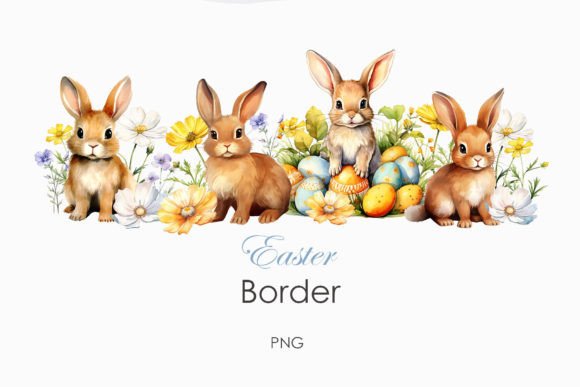
Easter Border Clipart: The Easter Bunny Effect
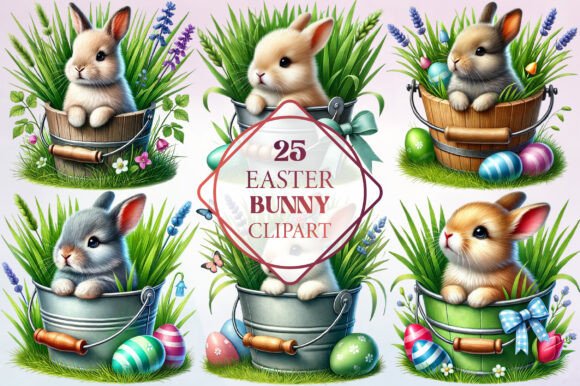
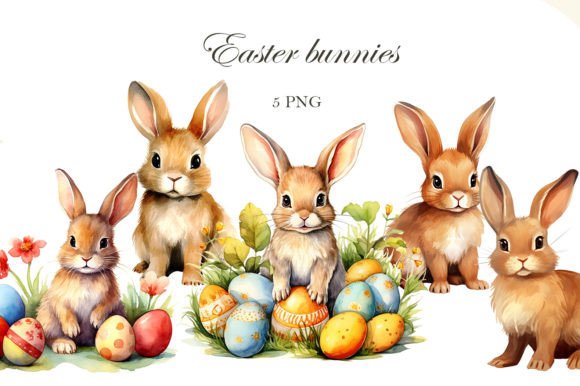
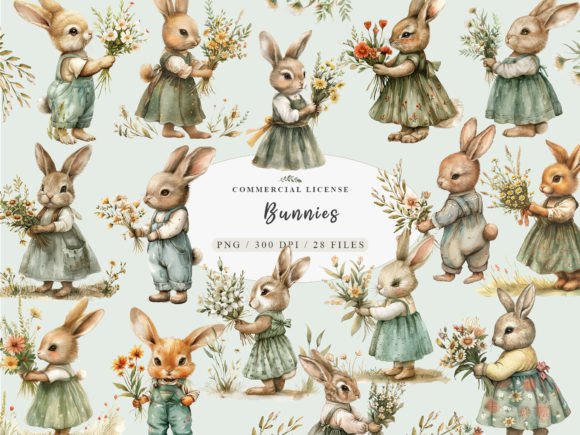
Easter Border Clipart. Easter Bunny isn't just another decorative typeface—it's a celebration of spring charm and playful sophistication. Designed with intricate borders and whimsical bunny motifs, this font brings a festive yet polished feel to any project. Whether you're creating Easter greeting cards, designing social media banners, or adding a touch of seasonal warmth to your brand identity, this typeface offers a unique blend of structured elegance and handwritten personality. Its visual characteristics combine ornate borders with cheerful bunny illustrations, making it a versatile asset for designers and marketers who want to infuse projects with seasonal joy without sacrificing professionalism. Unlike many novelty fonts that feel gimmicky, this font strikes a balance between playful and refined, ensuring it works across a range of contexts from personal crafts to commercial branding.
The font's personality is defined by its intricate details. The borders feature delicate floral patterns and scalloped edges, reminiscent of vintage Easter cards, while the bunny clipart adds a hand-drawn charm. The letterforms are rounded and slightly irregular, giving it a handwritten feel that feels approachable and warm. This makes it a standout choice for projects where you want to evoke nostalgia and sincerity. When used as a display font, it immediately draws attention, making it ideal for headlines or accents where you need to establish visual hierarchy. In terms of style, it sits comfortably as a modern typography solution that respects tradition while embracing contemporary design needs.
Creative and Commercial Applications
Easter Border Clipart. Easter Bunny shines in both print and digital media. For print design, consider using it for product packaging—think artisan chocolates, specialty teas, or handmade soaps with an Easter theme. The border elements can frame product labels, while the bunnies add a playful touch that appeals to families. In editorial design, it works beautifully for magazine covers or section dividers in spring issues, where its ornamental style complements floral motifs. For social media graphics, especially Instagram posts or Pinterest pins that promote Easter sales or events, this font ensures your content stands out in crowded feeds.
In digital design, its readability at larger sizes ensures it pops on screens, and the clipart elements can be extracted and used as standalone icons. For branding, it helps small businesses like bakeries, florists, or event planners create a cohesive Easter campaign. However, because it's a display font, it's best reserved for short text such as titles, logos, or quotes. Pair it with a clean sans serif like Inter or Lato for body text to maintain readability. This approach also strengthens visual hierarchy by contrasting the decorative headings with simple, legible body copy.
Typography and Brand Perception
Using Easter Border Clipart. Easter Bunny thoughtfully can significantly enhance your brand identity. Its whimsical yet orderly design suggests a brand that values tradition but isn't afraid to embrace creativity. For e-commerce stores, using this font in promotional emails or landing pages can increase engagement during the Easter season. The key is consistency: use the border elements as recurring design assets across your materials to build recognition. When applied sparingly, the font becomes a signature element that audiences associate with your holiday campaigns.
From a readability standpoint, this font is best used for headlines or decorative text. Its ornate nature means it should not be used for lengthy paragraphs. For visual hierarchy, reserve it for the most important elements—like the main headline on a flyer or a call-to-action button. This creates a clear focal point that guides the viewer's eye. In logo design, the bunny clipart can be integrated as part of the mark, especially for businesses with a playful identity, such as children's book publishers or toy stores. The font's consistency across different uses reinforces brand recognition and professionalism.
Practical Guidance for Choosing and Using
When evaluating Easter Border Clipart. Easter Bunny for a project, start by assessing the tone you want to achieve. If your project requires a formal or minimalist look, this font may not be suitable. However, for festive, family-oriented, or artisanal contexts, it's an excellent choice. Test the font at various sizes to ensure the borders and clipart scale well without losing detail. I recommend using it at 24pt or larger for clarity. Also, check the character set to see if it includes the glyphs you need, such as accented letters for multilingual projects or specific punctuation for your text.
- Assess project fit: Consider the tone and audience of your design. This font works best for joyful, seasonal projects.
- Test font pairing: Combine it with a neutral sans serif or serif font for body text. Avoid using two decorative fonts together.
- Review included styles: Check if the font comes with multiple weights or just one. Most versions include a single style, so plan accordingly.
- Evaluate commercial licensing: Ensure you have the right license for your specific use, whether for personal or commercial projects. Read the terms carefully.
For font pairing, combine it with a neutral sans serif or serif font. The contrast between the decorative display font and a simple body text font strengthens the design. For example, use Georgia for a classic editorial feel or Ubuntu for a modern touch. Avoid pairing it with another decorative font to prevent visual clutter. Additionally, consider the weight of the pairing font—a light or regular weight works best to balance the boldness of the clipart elements.
Review the licensing terms carefully. Easter Border Clipart. Easter Bunny is often available as a commercial font, meaning you can use it in products for sale, but restrictions may apply for redistribution. Ensure you purchase from a reputable foundry that includes multiple file formats such as OTF, TTF, and WOFF for web use. Some versions may also include additional design assets like borders and bunnies as separate elements, which can be useful for crafting and layout design.
Real-World Examples and Recommendations
I've seen Easter Border Clipart. Easter Bunny used effectively in a bakery's Easter menu—the borders framed the list of seasonal treats, and the bunny clipart adorned the header. The result was a cohesive, charming menu that customers found delightful. For a children's book cover, the font added a whimsical title that complemented the illustrator's style. In both cases, the key was restraint: the font was used for highlights, not the entire text. Overusing it can dilute its impact, so apply it strategically.
For bloggers and content creators, this font can elevate your Easter blog graphics. Use it for quote cards or featured image text. Remember to keep contrast high—use it on light backgrounds to make the details pop. If you're a crafter, consider printing the border elements for scrapbooking or card making. The font's versatility lies in its ability to function both as typography and as clipart, giving you two design assets in one. For small business owners, incorporating this font into your seasonal marketing materials can help you build a consistent brand identity that customers recognize year after year.
Easter Border Clipart. Easter Bunny is more than a seasonal novelty; it's a practical tool for any creative professional looking to add warmth and character to spring projects. By understanding its strengths and limitations, you can use it to create designs that resonate with audiences and build brand recognition. Whether you're a designer, marketer, or hobbyist, this font offers a unique blend of charm and functionality that makes it a worthwhile addition to your digital toolkit.